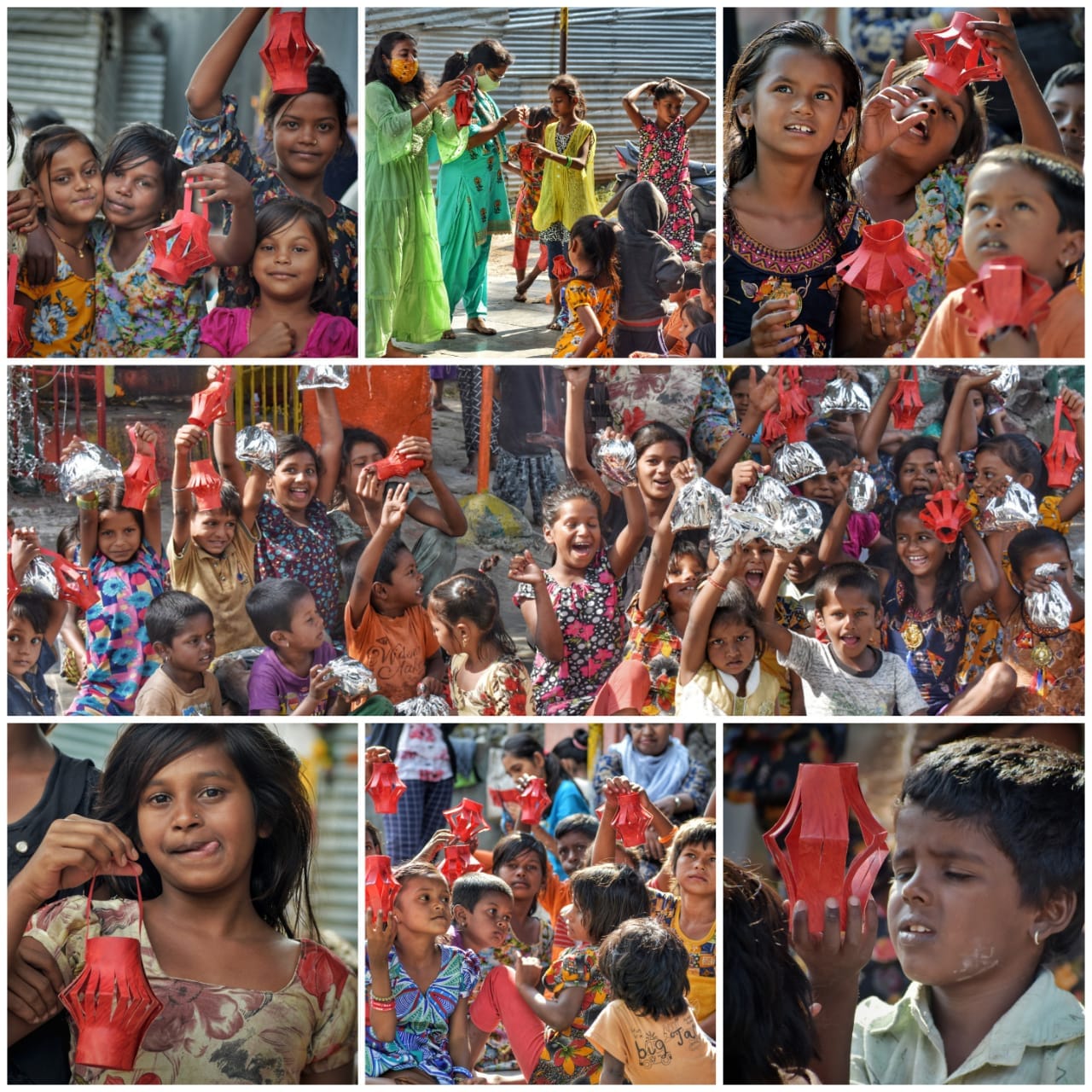
Growing up is a journey filled with questions about the body, emotions, friendships, relationships, attraction and social expectations. Project Samya, the flagship programme of Nityah Youth Foundation, creates a safe, age-appropriate space for children and young people to explore these questions through Comprehensive Sexuality Education (CSE) and Emotional Intelligence. The programme works with students from Grades 1 to 10 and beyond, with content that evolves according to their age and developmental needs. Sessions address self-awareness, emotions, body awareness, puberty, personal boundaries, consent, digital safety, gender, healthy relationships, peer pressure and emotional resilience. The programme goes beyond sexual and reproductive health by helping young people communicate confidently, respect boundaries, understand emotions, challenge stereotypes and make thoughtful decisions.
Listening Before We Begin
Project Samya began with a need assessment involving 71 boys from Grades 8 and 9 to understand their existing knowledge, sources of information and perspectives on relationships, emotions, consent and peer pressure. The findings highlighted both positive attitudes and important gaps in guidance. While 44 students said they would respect a girl's decision if she said no to going out with them, and 45 said they would refuse to participate if friends encouraged them to shame or defame a girl, 31 students identified friends as their primary source of information about relationships and dating, compared with only 8 who identified parents or teachers. These insights reinforced the need for safe, reliable and supportive spaces where young people can ask questions, reflect and develop informed and respectful perspectives.
Pilot Programme
The Project Samya pilot was introduced for students from Grades 8 and 9 across two schools in Pune. Rather than being a one-time awareness activity, the programme follows a structured curriculum delivered through regular, interactive sessions. It encourages students to question assumptions, reflect on their experiences and build the confidence to make responsible choices. The long-term goal is to reach 20,000 young people by 2030, particularly in schools and communities where access to age-appropriate information and support is limited.